Gaylord Box Types
We carry a comprehensive selection of gaylord box types to meet virtually any industrial, commercial, or agricultural application. From standard everyday containers to specialized heavy-duty and food-grade solutions, find the perfect box for your needs.
Need a Specific Box Type?
Tell us your requirements and we'll help.
Available Box Types
Each box type is engineered for specific applications. Explore detailed specifications, advantages, and ideal use cases to make an informed decision.
Technical Specifications
- Wall Type:
- Single or Double Wall
- Weight Capacity:
- Up to 1,500 lbs
- Dimensions:
- 48" x 40" x 36" (standard)
- Material:
- Corrugated Cardboard (C-Flute or B-Flute)
- Burst Strength:
- 200-275 lbs/sq.in
- Edge Crush Test:
- 32-44 ECT
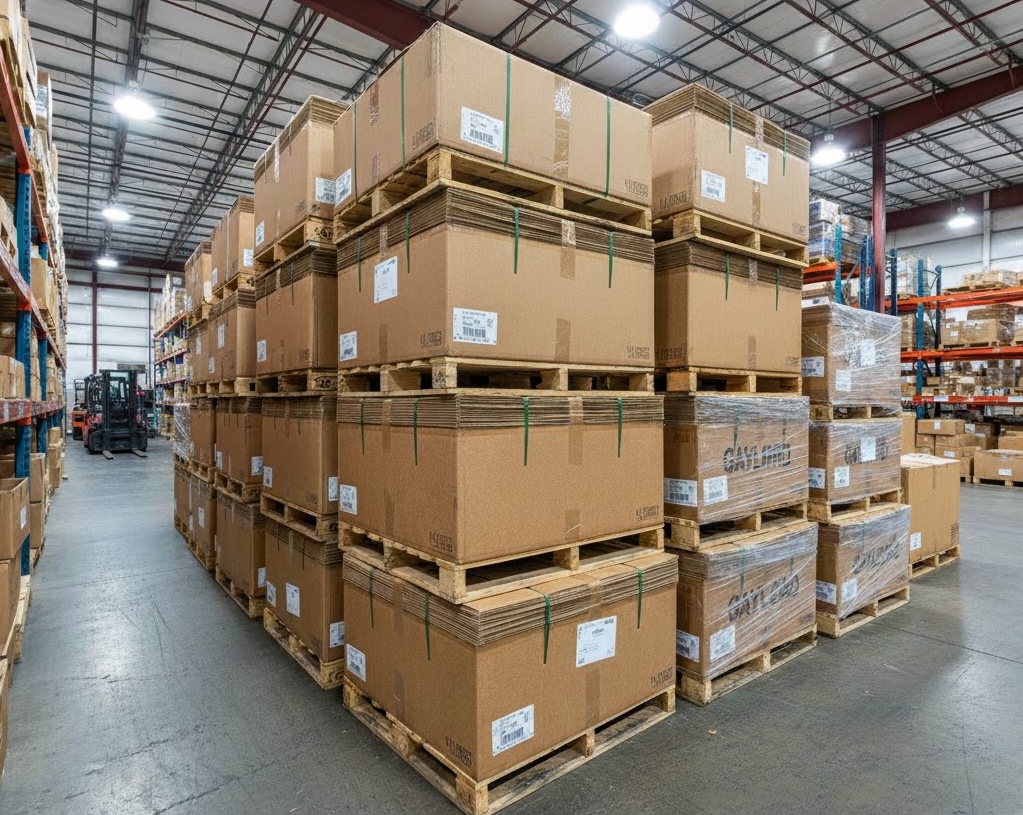
Standard Gaylord Boxes
The most common and versatile type of bulk container. Perfect for general storage and shipping applications across various industries.
Standard gaylord boxes are the workhorse of industrial packaging. Constructed with single or double-wall corrugated cardboard, these containers offer excellent value for money while providing reliable protection for a wide range of products. They are designed to sit on standard 48" x 40" pallets and can be easily moved with forklifts or pallet jacks. The corrugated construction provides cushioning against impacts while maintaining structural integrity during transport and storage.
Key Industries
Common Uses
- Packaging light to medium-weight products
- Temporary storage of inventory
- Shipping non-fragile items
- Collecting recyclable materials
- Organizing warehouse stock
- Distribution center operations
Advantages
- +Most cost-effective option
- +Widely available in various sizes
- +Lightweight and easy to handle
- +Recyclable and environmentally friendly
- +Suitable for most general applications
- +Easy to fold and store when empty
- +Compatible with standard pallets
Considerations
- -Lower weight capacity than heavy-duty options
- -Not suitable for very heavy items
- -Less resistant to moisture
- -May not withstand rough handling
- -Limited lifespan for multiple uses
Technical Specifications
- Wall Type:
- Triple Wall
- Weight Capacity:
- Up to 2,500 lbs
- Dimensions:
- 48" x 40" x 48" (standard)
- Material:
- Triple-Wall Corrugated (Multi-Layer)
- Burst Strength:
- 350-500 lbs/sq.in
- Edge Crush Test:
- 55-80 ECT
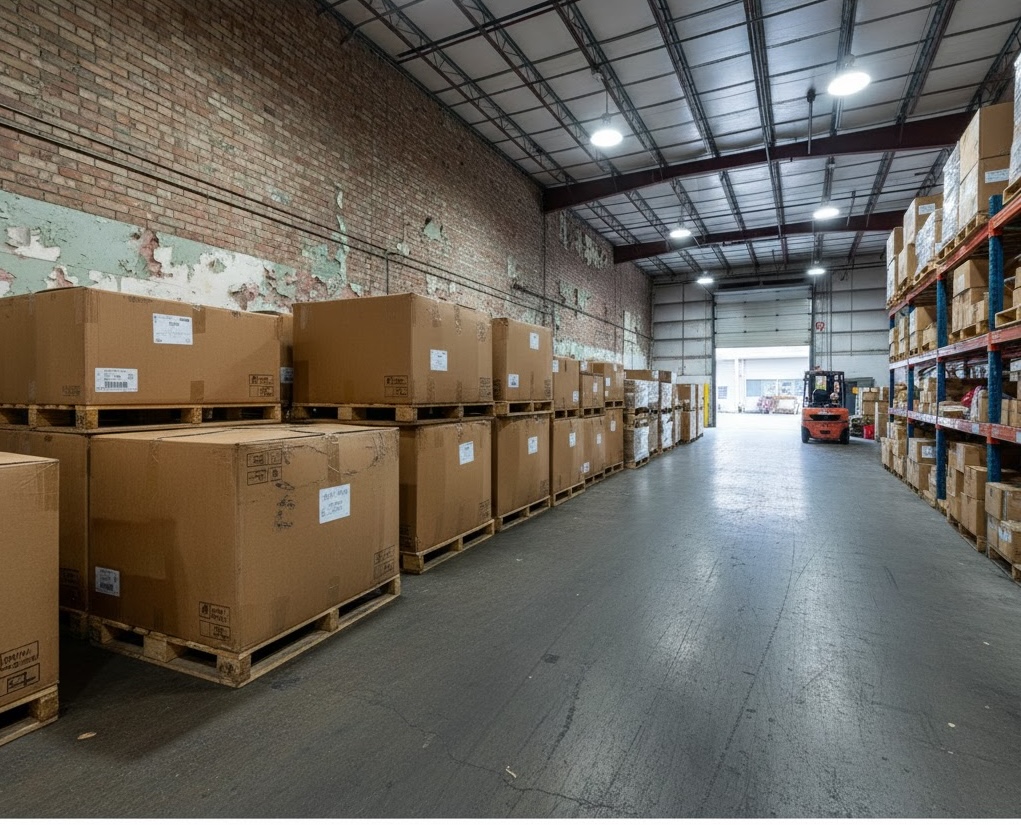
Heavy-Duty Gaylord Boxes
Reinforced construction for demanding applications. Triple-wall design handles the toughest loads and most challenging industrial environments.
Heavy-duty gaylord boxes are engineered for extreme performance. Featuring triple-wall construction with multiple layers of corrugated cardboard, these containers can handle significantly heavier loads and more demanding conditions than standard boxes. The reinforced design includes additional support structures, stronger adhesives, and higher-grade cardboard materials. These boxes are ideal for operations that require maximum durability and load-bearing capacity.
Key Industries
Common Uses
- Shipping automotive parts and components
- Storing heavy metal pieces
- Transporting industrial machinery parts
- Handling dense materials like plastics
- Moving heavy electronic equipment
- Storing bulk hardware and fasteners
Advantages
- +Exceptional load-bearing capacity
- +Highly durable for multiple uses
- +Resistant to punctures and tears
- +Better moisture resistance
- +Maintains structural integrity under stress
- +Longer lifespan than standard boxes
- +Suitable for harsh industrial environments
Considerations
- -Higher cost than standard boxes
- -Heavier when empty
- -Requires more storage space
- -May be overkill for lighter applications
- -More difficult to fold and handle
Technical Specifications
- Wall Type:
- Double Wall
- Weight Capacity:
- Up to 1,800 lbs
- Dimensions:
- 48" x 40" x 42" (standard)
- Material:
- Virgin Corrugated Cardboard (FDA Approved)
- Burst Strength:
- 275-325 lbs/sq.in
- Edge Crush Test:
- 44-55 ECT
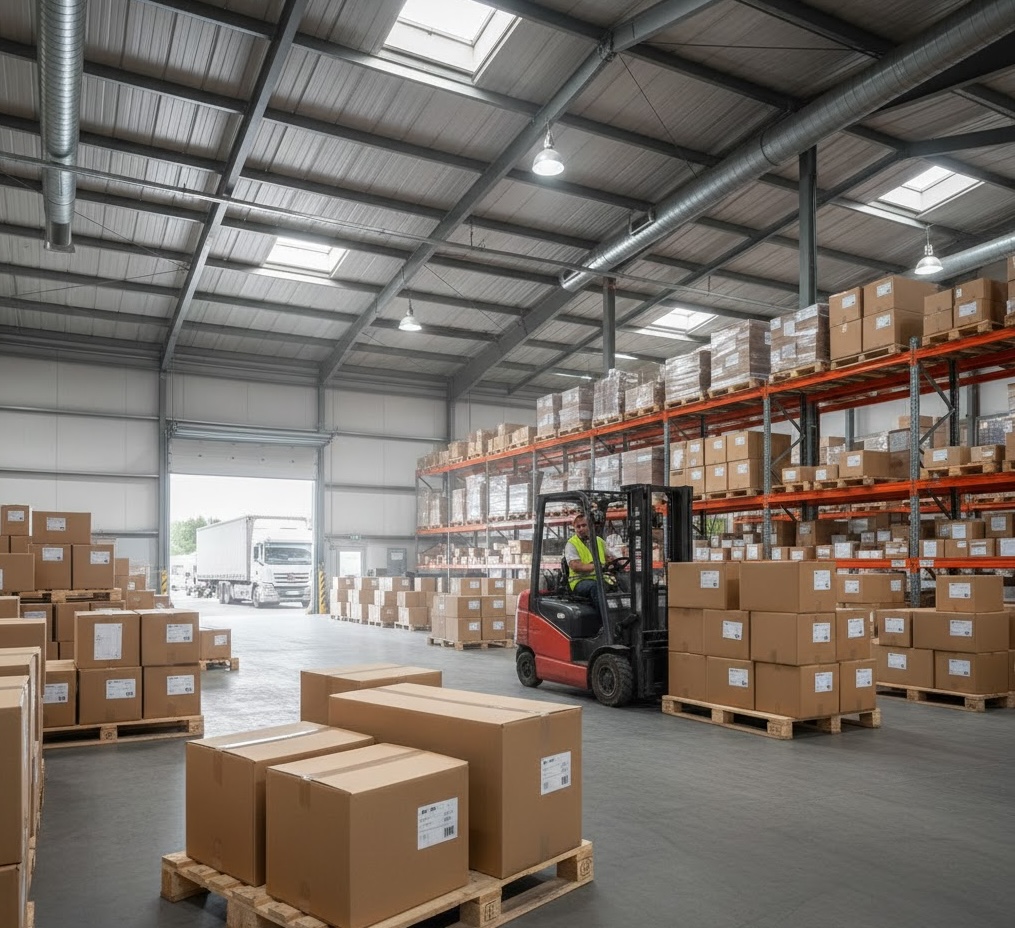
Food-Grade Gaylord Boxes
Specially designed for food industry applications with food-safe materials, ventilation options, and compliance with FDA regulations.
Food-grade gaylord boxes are manufactured specifically to meet stringent food safety standards and regulations. These containers are made from virgin materials (not recycled) to prevent contamination and ensure compliance with FDA requirements. Many feature ventilation holes to promote air circulation, which is crucial for fresh produce. The construction prevents moisture buildup and helps maintain product quality during storage and transport. These boxes often include wax coating or other moisture-resistant treatments.
Key Industries
Common Uses
- Storing and shipping fresh produce
- Transporting bulk food ingredients
- Packaging baked goods
- Moving agricultural products from farms
- Distributing packaged food items
- Collecting food for processing
Advantages
- +FDA compliant and food-safe
- +Made from virgin materials
- +Ventilation options available
- +Prevents contamination
- +Moisture-resistant treatments available
- +Maintains food quality
- +Suitable for direct food contact
Considerations
- -Higher cost due to virgin materials
- -Cannot be made from recycled content
- -May have specific storage requirements
- -Limited reusability due to contamination concerns
- -Ventilation holes may reduce overall strength
Technical Specifications
- Wall Type:
- Triple Wall with Coating
- Weight Capacity:
- Up to 2,200 lbs
- Dimensions:
- 48" x 40" x 45" (standard)
- Material:
- Coated Triple-Wall Corrugated
- Burst Strength:
- 400-450 lbs/sq.in
- Edge Crush Test:
- 61-75 ECT
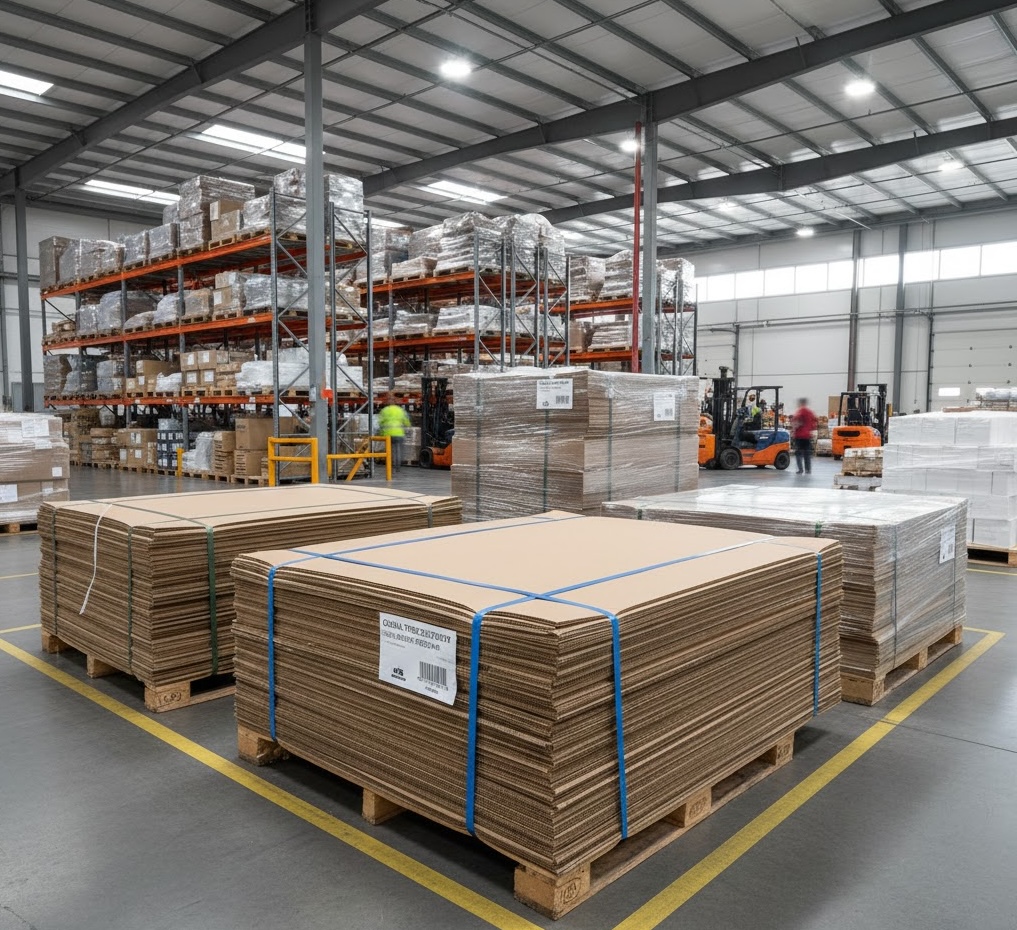
Export Gaylord Boxes
Built to international shipping standards with enhanced durability for overseas transport, moisture resistance, and compliance with global regulations.
Export gaylord boxes are specifically engineered to withstand the rigors of international shipping. These containers feature enhanced construction to handle multiple transfers, varying climate conditions, and extended transit times. They often include moisture barriers, reinforced corners, and special coatings to protect contents during ocean freight, air cargo, or intermodal transport. These boxes meet ISPM-15 standards when required and can include special markings for international customs compliance.
Key Industries
Common Uses
- Shipping products overseas
- Long-distance international transport
- Ocean freight packaging
- Air cargo containers
- Cross-border shipments
- Global distribution operations
Advantages
- +Enhanced durability for long journeys
- +Superior moisture resistance
- +Meets international shipping standards
- +Withstands multiple handling events
- +Climate-resistant construction
- +Reduced risk of product damage
- +Compliance with global regulations
Considerations
- -Most expensive option
- -Heavier than standard boxes
- -Overkill for domestic shipping
- -May require special disposal
- -Higher shipping cost due to weight
Technical Specifications
- Wall Type:
- Varies (Single to Quad Wall)
- Weight Capacity:
- Custom (up to 3,000 lbs possible)
- Dimensions:
- Custom sizes available
- Material:
- Selected based on application
- Burst Strength:
- Varies by specification
- Edge Crush Test:
- Varies by specification
Custom Gaylord Boxes
Tailored solutions for unique requirements. Custom sizes, special features, and modifications to meet specific application needs.
Custom gaylord boxes are designed and manufactured to meet specific requirements that standard options cannot fulfill. These containers can feature unique dimensions, special cutouts, custom printing, specialized coatings, dividers, reinforcements, or any combination of features needed for particular applications. Working with experienced manufacturers, businesses can create the perfect packaging solution that optimizes their operations, protects their specific products, and potentially reduces overall costs through improved efficiency.
Key Industries
Common Uses
- Non-standard size products
- Hazmat material storage
- Temperature-sensitive goods
- Fragile items requiring special protection
- Unique shaped products
- Products requiring custom labeling
Advantages
- +Perfectly tailored to specific needs
- +Can optimize space and efficiency
- +Custom features for unique applications
- +Branding opportunities with printing
- +Can reduce waste with perfect sizing
- +Solves unique packaging challenges
- +Potential cost savings through optimization
Considerations
- -Higher per-unit cost
- -Minimum order quantities usually required
- -Longer lead times for production
- -Less flexibility if needs change
- -May not be readily available
- -Design and engineering costs
Box Type Comparison
Compare key specifications across all box types to find the best match for your requirements.
| Feature | Standard | Heavy-Duty | Food-Grade | Export | Custom |
|---|---|---|---|---|---|
| Wall Construction | Single or Double Wall | Triple Wall | Double Wall | Triple Wall with Coating | Varies (Single to Quad Wall) |
| Max Capacity | Up to 1,500 lbs | Up to 2,500 lbs | Up to 1,800 lbs | Up to 2,200 lbs | Custom (up to 3,000 lbs possible) |
| Burst Strength | 200-275 lbs/sq.in | 350-500 lbs/sq.in | 275-325 lbs/sq.in | 400-450 lbs/sq.in | Varies by specification |
| Edge Crush Test | 32-44 ECT | 55-80 ECT | 44-55 ECT | 61-75 ECT | Varies by specification |
| Best For | General storage, shipping, warehousing | Heavy parts, metal components, dense materials | Food products, produce, agricultural items | International shipping, overseas transport | Specialized applications, unique requirements |
| Relative Cost | $ | $$$ | $$ | $$$ | $$-$$$ |
How to Choose the Right Box Type
Follow this guide to select the perfect gaylord box for your specific needs.
Determine Your Product Weight
Calculate the total weight of products per box including any packaging materials. Add a 20-30% safety margin.
- Under 500 lbs: Standard single-wall boxes
- 500-1,500 lbs: Standard double-wall boxes
- 1,500-2,500 lbs: Heavy-duty triple-wall boxes
- Over 2,500 lbs: Custom heavy-duty solutions
Consider Your Industry Requirements
Different industries have specific regulations and requirements that may dictate box type.
Food Industry
Requires food-grade boxes with FDA compliance and virgin materials
International Shipping
Export boxes with moisture resistance and enhanced durability
Heavy Manufacturing
Heavy-duty boxes for automotive, metal, and industrial parts
General Warehousing
Standard boxes offer best value for most applications
Evaluate Storage and Transport Conditions
The environment and handling conditions greatly impact which box type will perform best.
Balance Cost vs. Requirements
Finding the right balance between protection and cost ensures optimal value.
Over-specifying wastes money on unnecessary durability
Under-specifying risks product damage and higher overall costs
Sweet spot: Choose the least expensive box that reliably meets all requirements
Still Not Sure?
Our team has decades of experience helping businesses find the perfect box solution. Contact us with your requirements and we will provide expert recommendations.
Get Expert AdviceFrequently Asked Questions
Common questions about gaylord box types and selection.
What is the difference between single, double, and triple wall construction?
Single-wall boxes have one layer of corrugated cardboard and are suitable for lighter items up to 500 lbs. Double-wall boxes have two layers with a middle liner, supporting up to 1,500 lbs and offering better protection. Triple-wall boxes have three layers with two middle liners, providing maximum strength for loads up to 2,500 lbs or more. The more walls, the greater the stacking strength, puncture resistance, and overall durability.
Can food-grade boxes be reused?
While food-grade boxes are structurally capable of being reused, it is generally not recommended for direct food contact applications due to potential contamination risks. Once a food-grade box has been used, it may have absorbed moisture, odors, or contaminants that could affect future contents. However, they can be repurposed for non-food items or recycled. Always follow FDA guidelines and your company's food safety protocols when considering reuse.
How do I choose the right box type for international shipping?
For international shipping, consider: 1) Transit time and conditions - longer journeys need more durable boxes, 2) Climate variations - moisture-resistant export boxes are essential for ocean freight, 3) Handling frequency - multiple transfers require reinforced construction, 4) Destination regulations - ensure compliance with international standards, 5) Product value and fragility - higher value items warrant premium protection. Export-grade or triple-wall boxes with moisture barriers are typically recommended for overseas shipments.
What weight capacity should I choose?
Choose a weight capacity that exceeds your product weight by at least 20-30% to account for handling stress and stacking. Consider: total product weight including packaging, whether boxes will be stacked (bottom boxes need higher capacity), transit conditions and handling frequency, and whether boxes will be reused. For example, if your product weighs 1,000 lbs, choose a box rated for at least 1,300-1,500 lbs. When in doubt, it's better to overestimate capacity needs.
Are custom boxes worth the extra cost?
Custom boxes can be worth the investment if: 1) Standard sizes waste significant space or material, 2) You have unique product dimensions or shapes, 3) You need special features like custom cutouts or dividers, 4) Branding and presentation are important, 5) You have high volume needs that justify tooling costs. Calculate the total cost including wasted space in standard boxes, potential product damage from poor fit, and shipping costs. Many businesses find custom boxes save money in the long run despite higher per-unit costs.
How long can gaylord boxes be stored before use?
When stored properly, gaylord boxes can last 1-2 years before use. Store them in a dry, climate-controlled environment away from direct sunlight, moisture, and extreme temperatures. Keep them flat or properly stacked to prevent warping. Avoid storing near chemicals or strong odors that could be absorbed. Food-grade boxes have stricter storage requirements and should be used within 6-12 months. Always inspect boxes before use for any signs of moisture damage, crushing, or deterioration.
Can I mix different box types in my warehouse?
Yes, many warehouses use multiple box types for different purposes. Common strategies include: using standard boxes for light, non-critical items; heavy-duty boxes for valuable or heavy products; food-grade boxes for food-safe storage areas; and custom boxes for specific problematic products. Implement a clear labeling and organization system to prevent mix-ups. Train staff on the differences and appropriate uses. This approach optimizes costs by using the right box for each application rather than over-specifying everything.
What modifications are available for custom boxes?
Common modifications include: ventilation holes or slots for produce and fresh items, hand holes or cutouts for easier handling, plastic liners or moisture barriers, internal dividers or partitions, reinforced corners or edges, custom printing with logos and instructions, special coatings (wax, poly, water-resistant), attached or integrated lids, die-cut access panels, and special closures or fastening systems. Discuss your specific needs with suppliers to determine the most cost-effective modifications for your application.
What is the difference between single-, double-, and triple-wall boxes?
Each adds layers for strength. Triple-wall supports the highest loads and is common for heavy or abrasive materials.
When should I choose octabin or bulk bins?
Octabins and specialty bulk bins help with flowable or irregular contents and can offer better stacking stability.
Do you carry vented or food-grade boxes?
We carry food-grade and specialty options when available and can confirm current stock before ordering.
Which box type is best for export?
We recommend robust double- or triple-wall options with liners and secure strapping for export shipments.
Can you source specific styles on request?
Yes. Tell us the style, dimensions, and load requirements; we'll source or propose an equivalent.
Do you provide lids for various box types?
Lids are available for many styles. We'll confirm fit and inventory when quoting.
How do I compare cost vs durability across types?
We outline price points by grade and wall type so you can balance durability with budget.
Are recycled-content boxes available?
Used boxes are inherently reused. If you need recycled-content liners or accessories, we can source them.
Do certain types stack better?
Triple-wall and rigid bulk bins generally stack better; we'll advise based on your storage height and load.
Can I mix box types in one order?
Yes. We can combine types and grades in a single shipment if inventory and routing allow.
Have a different question?
Contact Our TeamRelated Products
Enhance your gaylord box solution with these complementary products and accessories.
Gaylord Box Lids
Full, partial, and specialty lids for all box types
Pallet Systems
Standard and custom pallets compatible with all boxes
Plastic Liners
Moisture barriers and contamination protection
Corner Protectors
Additional reinforcement for high-value shipments
Ready to Find Your Perfect Box?
Browse our inventory or contact us for personalized recommendations based on your specific requirements.